The Importance of Prioritizing Protein

Protein is one of the essential macronutrients that our body requires for various functions. It is essential for growth and maintenance, and is responsible for building and repairing tissues, as well as producing enzymes and hormones that are vital for proper bodily function. The importance of protein consumption cannot be overstated, as it is essential for overall health and well-being.

Protein plays a crucial role in building and repairing muscles, which is important for those who engage in physical activity or exercise. When we exercise, we create small tears in our muscle fibers, and the body repairs these tears by building new muscle tissue. This process is facilitated by protein, which provides the necessary building blocks for the body to repair and grow muscles.

Protein also plays an important role in weight management. High-protein diets have been shown to be effective in reducing hunger and promoting feelings of fullness, which can help people to eat fewer calories and lose weight. Additionally, consuming protein helps to maintain lean muscle mass, which can help to increase metabolism and promote weight loss.

Protein is also important for maintaining healthy bones, as it is a major component of bone tissue. Adequate protein consumption can help to prevent bone loss and reduce the risk of osteoporosis, especially in older adults.

Furthermore, protein is essential for the proper functioning of the immune system. Proteins help to produce antibodies, which are responsible for fighting off infections and diseases. Additionally, proteins are involved in the production of white blood cells, which play a crucial role in the body’s defense against pathogens.

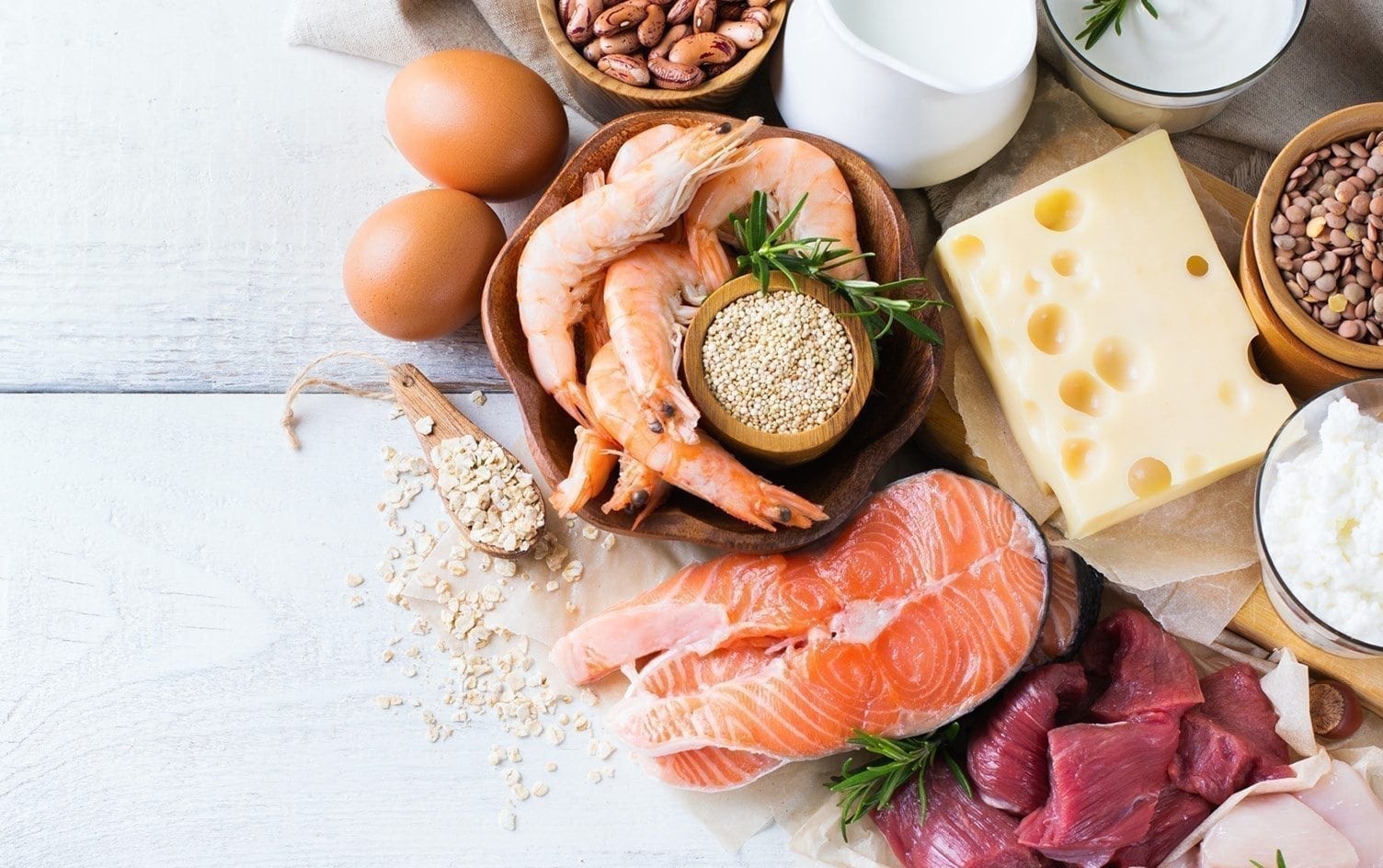
It is important to note that not all proteins are created equal. Animal sources of protein, such as meat, dairy, and eggs, are considered to be high-quality proteins, as they contain all of the essential amino acids that the body needs. Plant-based sources of protein, such as beans, nuts, and grains, can also be good sources of protein, but they may not contain all of the essential amino acids. Vegetarians and vegans can still meet their protein needs by consuming a variety of plant-based proteins, and by combining different sources of plant-based protein to ensure that all essential amino acids are consumed.

There are many ways to increase protein consumption, whether you are a meat-eater, vegetarian, or vegan. Here are some tips for increasing your protein intake:

  1. Include a protein source in every meal: Try to include a protein source in every meal, whether it’s eggs for breakfast, chicken in your salad, or beans in your soup. This will help to ensure that you are getting enough protein throughout the day.
  2. Choose high-quality protein sources: Animal sources of protein, such as meat, poultry, fish, and eggs, are considered high-quality proteins because they contain all of the essential amino acids that our bodies need. Plant-based sources of protein, such as beans, lentils, nuts, and seeds, can also be good sources of protein, but may not contain all of the essential amino acids.
  3. Snack on protein-rich foods: Snacking on protein-rich foods can help to increase your overall protein intake. Try snacking on nuts, seeds, Greek yogurt, or jerky to increase your protein consumption between meals.
  4. Add protein powder to smoothies: Adding protein powder to your smoothies can be an easy way to increase your protein intake. Choose a high-quality protein powder, such as whey or plant-based protein, and add it to your favorite smoothie recipe.
  5. Opt for protein-rich side dishes: Instead of carb-heavy side dishes, try incorporating protein-rich side dishes into your meals. Roasted chickpeas, grilled tofu, or a quinoa salad can all be delicious and nutritious side dishes that are high in protein.
  6. Experiment with new recipes: Trying out new recipes that are high in protein can help to keep your meals interesting and varied. Look for recipes that include protein-rich ingredients, such as beans, lentils, tofu, or fish.
  7. Choose protein-rich snacks: When choosing snacks, opt for protein-rich options such as hard-boiled eggs, string cheese, or hummus with veggies.
  8. Make protein a priority when eating out: When eating out, look for dishes that are high in protein, such as grilled chicken or fish. You can also ask for extra protein to be added to your meal, such as a side of beans or a boiled egg.

In conclusion, protein is an essential nutrient that plays a vital role in maintaining overall health and well-being. Adequate protein consumption is important for building and repairing muscles, maintaining healthy bones, promoting weight loss, and supporting the immune system. It is important to consume high-quality sources of protein, and to ensure that all essential amino acids are consumed, especially for vegetarians and vegans. By making protein a priority in our diets, we can support our bodies in their many functions and promote optimal health.

Mindfulness for Beginners

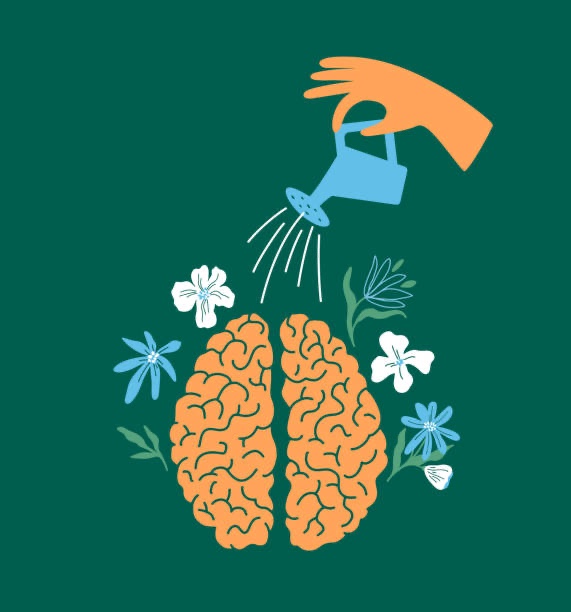
Mindfulness is a simple yet powerful practice that can help you live a more present and fulfilling life. It involves paying attention to your thoughts, feelings, and physical sensations in the present moment, without judgment or distraction. While it may seem daunting to start a mindfulness practice, it can be easier than you think. Here are some easy ways to get started:

  1. Start with short sessions: Begin with just a few minutes of mindfulness practice each day, and gradually increase the time as you become more comfortable. Even just a few minutes of mindfulness can make a big difference in your day. If you are someone who has a hard time remembering like me, build it into your daily schedule!
  2. Find a quiet space: Find a quiet space where you can sit comfortably and focus on your breath. This could be a corner of your home or office, or even a park bench outside.
  3. Focus on your breath: Focus your attention on your breath, noticing the sensation of air moving in and out of your nose or mouth. If your mind starts to wander, gently bring your attention back to your breath. I find box breathing particularly helpful for building focus. Start by inhaling for a count of four, holding for four, exhaling for four, and holding for four before repeating. Gradually build this up over time as your breath control improves.
  4. Use guided meditations: There are many guided meditations available online or through meditation apps that can help you get started with mindfulness. These can provide helpful prompts and guidance as you begin your practice. My personal favorite app to use is Insight Timer, and there is a ton of wonderful content on YouTube.
  5. Practice gratitude: Take a few moments each day to reflect on what you are grateful for. This can help cultivate a sense of mindfulness and appreciation for the present moment. 5-Minute Journal is a great app to use, and they also make a companion book if you prefer to keep your list on paper.
  6. Pay attention to your senses: Take a few moments to notice the world around you using your senses. What do you see, hear, smell, taste, or feel? This can help bring you into the present moment and cultivate mindfulness.
  7. Use mindfulness in everyday activities: You can practice mindfulness during everyday activities such as eating, walking, or even brushing your teeth. Simply focus your attention on the task at hand and notice the sensations and feelings that arise.

Remember that mindfulness is a practice, and it takes time and effort to cultivate. Be patient with yourself and enjoy the process. With consistent practice, you may find that mindfulness becomes a natural and fulfilling part of your daily routine.

Quarantine Fucking Up Your Routine?

Mine too, boo…mine too!

Like many, I started this quarantine with the lofty ambition of completing numerous projects I’ve been putting off for years with the excuse “I just don’t have the time.” Well here it is…here’s all that time I’ve been complaining about not having! What have I done with it, you ask?!

Well I can tell you with confidence that all three seasons of HBO’s WestWorld are incredible, Meryl Streep’s scream (alone) in Big Little Lies deserves an EGOT, Dead To Me season 2 is wild, at least the first 6 seasons of America’s Next Top Model are very problematic…I could go on, but you get the point. I’ve binge watched an assload of TV. I’ve also affirmed my love for such indulgences as playing Xbox for hours on end, justifying online shopping for shit I don’t need, and eating Nutella by the spoonful. I’ve gained hand cramps, a house full of instruments and plants, and at least 15 pounds…though I don’t have a scale, so I don’t know for sure. Life seems a bit out of control at the moment.

Fortunately two things I knew I had to prioritize during this indefinite time at home were my mental and physical health. Regardless of how “productive” or not I am, and how forgiving of that (or not) I am, maintaining an overall sense of clarity and wellness has been integral to managing my stress level, and my ability to interact with others from a place of groundedness and compassion. I’m certainly not perfect at either of those things. This is an ongoing process, and I’m still working at it as often as I meaningfully can. And yes, I’ve gotten down with the thickness…I’m sure I’m not alone there. It sucks, but it is to be expected when your world is flipped upside down and you’re suddenly stuck at home 24/7. I usually call bullshit on most excuses people come up with, but this is a legitimate one for all of us. This situation can be quite depressing. It is nearly impossible for any of us to get as much activity as we were before, so be kind to yourself.

All that being said I would like to share some things that I’ve found useful in creating some sense of regularity and structure in this otherwise uncertain time. As in any case mental and physical health modalities are not one-size-fits-all, and what feels great to some may not work well for others. Experiment, try new things, keep what works for you, and ditch the rest.

  • Meditation – I start and end every day with a meditation. I personally prefer a short guided meditation in the morning before I get out of bed–15 minutes or less. It feels good to ground myself and get centered first thing…to at least start the day by holding that space for myself. In the evenings before bed I will usually listen to some soothing sound healing music and do breath work until I fall asleep. On really great days I will do a seated meditation midday, as a moment to more intentionally turn inward in a more alert/awake state. I do these when I feel like I need it and have the mental fortitude to sit with myself compassionately. My practice is still growing and evolving, but it helps immeasurably nonetheless. If this is something that appeals to you, I’d suggest approaching it with the intention of holding space for yourself regardless of what comes up and exercising self compassion, rather than trying to “shut your brain off”. You’ve gotta get through the muck to find the beautiful little peaceful lotus flower in your mind. Don’t try to rush or force it…just let it happen. I know it sounds cliché, but you’ll know when you know. Insight Timer has tons of great free content.
  • Gratitude Journal – Every morning, post meditation, I write down three things I am grateful for (usually what comes to mind first). Some days they’re really sweet and profound, other days they’re very simple. The point is to really allow yourself to feel as much of that gratitude as possible, and it also helps to prime your awareness to look for other things throughout the day to be grateful for. Three is a great start. If you can think of more, the more the merrier…literally! Within the app I use for gratitude journalling–5 Minute Journal–I also set intentions for three things I’d like to accomplish each day, and write an affirmation statement. These practices are all about cultivating awareness and gratitude for what you have, positive intention for how to move forward, and self love.
  • Nutrition – Though I’ve already professed my love for Nutella (and sweets in general), I still find it important to keep a fairly balanced diet and avoid processed foods as much as possible. I have never been a big proponent of all-or-nothing diets. We all have cravings…the key is moderation (something our culture struggles with a ton). I generally cook the majority of the meals that I consume. I still meal prep so that I do not have to cook every day if I don’t want to, and try to commit to eating what I’ve prepared and know is good for me before resorting to ordering out or eating something that I can’t really honestly justify and feel good about. A lot of us have shame and guilt issues around food, and I certainly don’t want to minimize that…I see you, I hear you, and I’m here for you. This is a pandoras box of a topic that deserves unpacking in its own thread. If you want to keep a closer eye on what you’re consuming and like a visual aid, MyFitnessPal is my go-to.
  • Exercise – Yo, bodyweight exercises can be hard AF when you’re used to throwing dumbbells around. With all this sedentary cooped up living lately it feels like a lot some days just to muster up the energy or enthusiasm to do a workout, but I always feel better after. After my morning meditation and breakfast (hello coffee), I work out anywhere from 45-90 minutes depending on how I’m feeling in my body that day and what I know I can handle. All I have at home is a small assortment of resistance bands, a yoga mat, and a jump rope, none of which are needed to get a good workout in. There is plenty of scientific data available to prove that exercise promotes the release of feel good endorphins in the brain, and has a residual mood boosting effect for an extended period post workout. Plus everyone deserves to feel like a snack! It can be a challenge, but exercise doesn’t have to be a punishment for where you think you’ve failed. It can be a celebration of what you CAN do, and a gift to yourself in that you’re stacking the deck in your favor to genuinely feel good from the inside out.
  • In addition to prioritizing my mental and physical health I find it important to make time for other activities that I find fulfilling…taking care of my plants, reading, music, drawing, things that creatively energize me. I give myself a goal of doing each of these things a couple times a week just to keep the juices flowing.

As a best practice, try not to fall into the habit of shaming yourself if or when you don’t follow through on an intended behavior. This situation presents unique challenges for all of us. Take a look at where you’ve misstepped and compassionately ask yourself if the goal needs adjusting, and what would feel better. Then try again. Again I can only speak to my experience, and what I know has been working for my clients. Having a daily structure to work around has helped me to feel more sane and in control of my own life.

If you found any of this information useful, feel free to share. If you’d like to me talk more on any specific subject, please reach out.

Be well. 🙂