What’s the Tea on Prebiotics vs Probiotics?

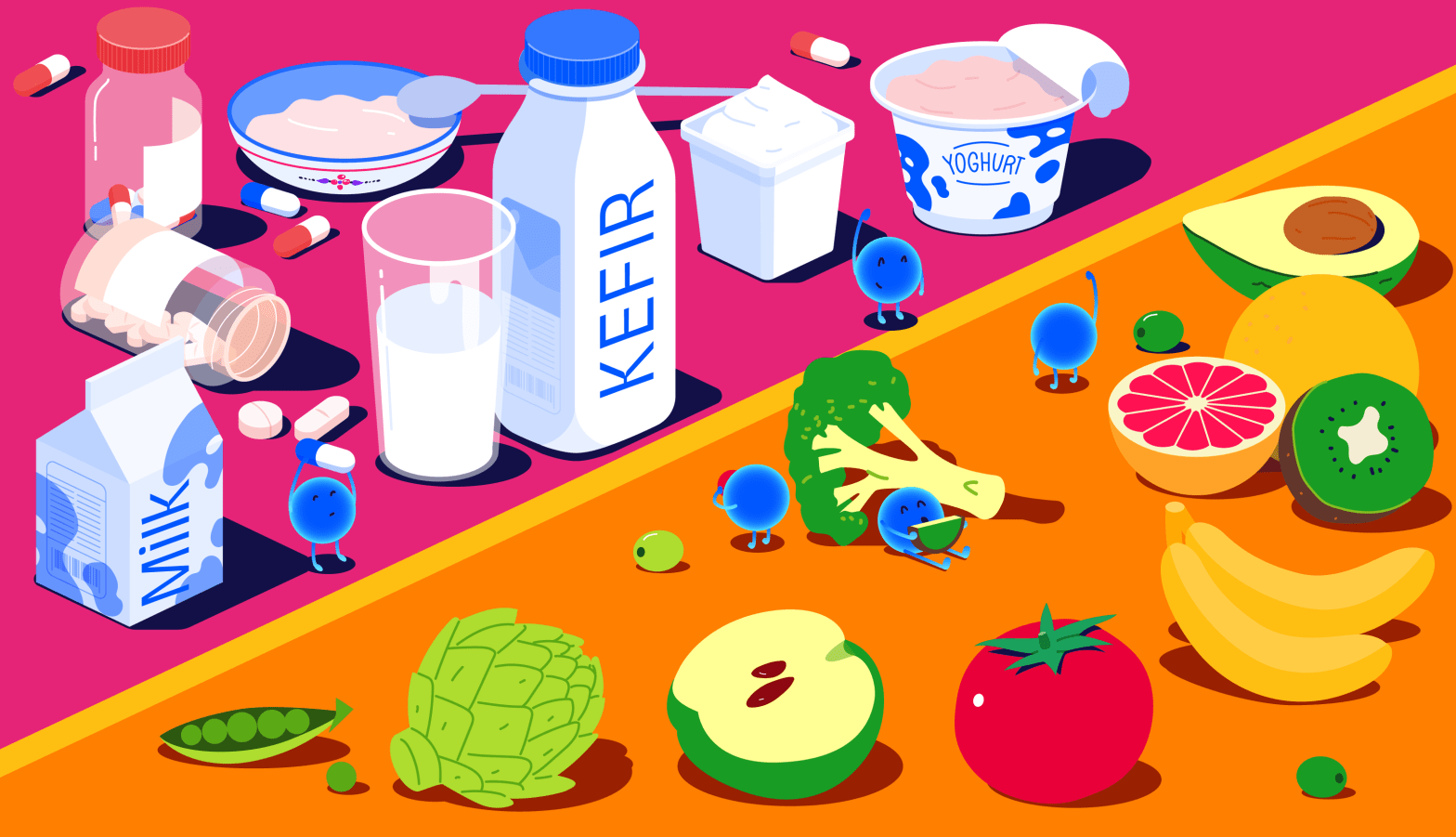
Prebiotics and probiotics are two essential components that play a significant role in maintaining our digestive and overall health. While prebiotics are non-digestible fibers that promote the growth of healthy gut bacteria, probiotics are live microorganisms that offer numerous health benefits to the body. Both prebiotics and probiotics work together in maintaining a healthy gut microbiome, which has been found to have a significant impact on mental health and overall well-being.

Prebiotics are carbohydrates that cannot be digested by the human body. They work by providing nourishment to the beneficial bacteria residing in our gut, which then ferment these fibers into short-chain fatty acids that provide energy to the cells lining the colon. These short-chain fatty acids have numerous health benefits, including reducing inflammation, improving gut motility, and enhancing immune function. Additionally, prebiotics have been found to have a positive impact on mental health, with some studies suggesting that they can reduce anxiety and depression symptoms.

Probiotics, on the other hand, are live microorganisms that can be found in various foods and supplements. They work by populating the gut with beneficial bacteria, which then work to keep harmful bacteria in check. Probiotics have been found to improve gut health, boost immune function, and reduce the incidence of several diseases, including irritable bowel syndrome (IBS) and inflammatory bowel disease (IBD). Probiotics have also been shown to have a positive impact on mental health, with some studies suggesting that they can reduce symptoms of anxiety and depression, improve mood, and enhance cognitive function.

One way that prebiotics and probiotics can benefit mental health is by reducing inflammation in the gut. Inflammation has been linked to numerous mental health conditions, including depression and anxiety. By promoting the growth of beneficial bacteria and reducing inflammation in the gut, prebiotics and probiotics may be able to alleviate some of these symptoms.

Another way that prebiotics and probiotics can benefit mental health is by modulating the gut-brain axis. The gut and the brain are connected by a complex network of neurons, hormones, and other signaling molecules. This network is known as the gut-brain axis, and it plays a significant role in regulating mood, behavior, and cognitive function. By modulating the gut-brain axis, prebiotics and probiotics may be able to improve mental health outcomes and overall well-being.

Here are some ways to improve prebiotic and probiotic intake:

  1. Consume more fermented foods: Fermented foods such as kefir, kimchi, sauerkraut, miso, and tempeh are rich sources of probiotics.
  2. Incorporate more prebiotic-rich foods into your diet: Foods such as onions, garlic, leeks, bananas, asparagus, artichokes, and whole grains are rich in prebiotic fibers.
  3. Take a probiotic supplement: Probiotic supplements are available in various forms, including capsules, powders, and liquids. It is essential to choose a high-quality supplement with a diverse range of bacterial strains.
  4. Consider a prebiotic supplement: Prebiotic supplements can help support the growth of beneficial gut bacteria.
  5. Eat a diverse range of plant-based foods: Plant-based foods such as fruits, vegetables, nuts, and seeds contain a wide range of nutrients and fibers that can support a healthy gut microbiome.
  6. Limit sugar and processed foods: A diet high in sugar and processed foods can disrupt the balance of gut bacteria and lead to inflammation and other health problems.
  7. Try probiotic-enriched foods: Some foods such as yogurt and certain types of milk are fortified with probiotics.
  8. Cook and eat at home: Cooking at home allows you to incorporate more prebiotic and probiotic-rich foods into your diet.
  9. Be consistent: Incorporating prebiotic and probiotic-rich foods into your diet is a long-term strategy that requires consistency and patience.
  10. Consult a healthcare professional: If you are experiencing digestive issues or other health problems, it is essential to consult a healthcare professional before making any significant dietary changes.

Overall, prebiotics and probiotics are essential components of a healthy diet and lifestyle. By promoting the growth of beneficial bacteria in the gut, these compounds can improve gut health, boost immune function, and reduce the incidence of numerous diseases. Additionally, prebiotics and probiotics have been found to have a positive impact on mental health, with some studies suggesting that they can reduce symptoms of anxiety and depression, improve mood, and enhance cognitive function. Incorporating prebiotic and probiotic-rich foods into your diet or taking a supplement can be an effective way to support overall health and well-being.

Healthy Fats

Healthy fats play an important role in maintaining overall health and well-being. However, many people are still hesitant to incorporate more healthy fats into their daily diets, often because they are afraid of gaining weight or because they believe that all fats are bad for them. Let’s look at why healthy fats are important and provide some tips for incorporating them into your daily diet.

What are healthy fats?

Healthy fats, also known as unsaturated fats, are essential macronutrients that the body needs for optimal health. Unlike saturated fats and trans fats, which are unhealthy and can lead to health problems, healthy fats have a positive effect on the body and can help reduce the risk of developing chronic diseases such as heart disease, stroke, and diabetes.

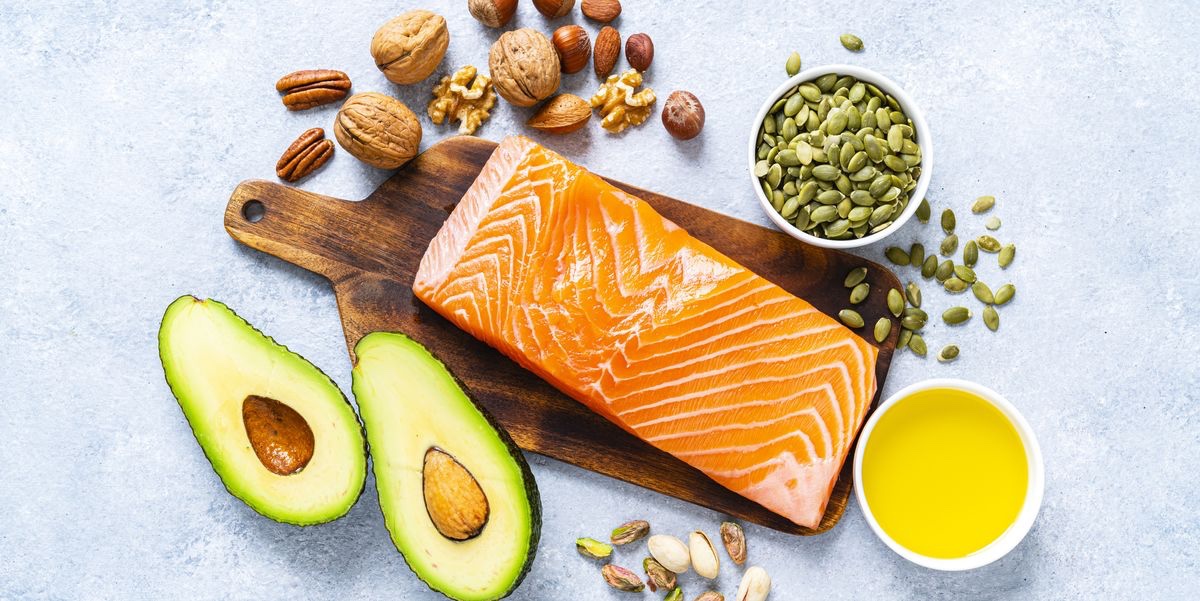
Healthy fats come in two main types: monounsaturated and polyunsaturated fats. Monounsaturated fats are found in foods such as avocados, nuts, and olive oil, while polyunsaturated fats are found in foods such as fatty fish, nuts, and seeds.

Why are healthy fats important?

Healthy fats are an important part of a balanced diet because they provide the body with a number of important health benefits. Here are just a few of the reasons why healthy fats are so important:

  1. They provide energy: Healthy fats are a great source of energy for the body. They help to fuel the body during exercise and other physical activities, and they can help to keep you feeling full and satisfied for longer periods of time.
  2. They support brain health: Healthy fats are essential for optimal brain function. They help to support the production of neurotransmitters, which are important for mood regulation and cognitive function.
  3. They promote heart health: Studies have shown that incorporating more healthy fats into your diet can help to lower your risk of heart disease. Healthy fats can help to lower LDL cholesterol levels, reduce inflammation, and improve blood pressure.
  4. They support healthy skin: Healthy fats are essential for maintaining healthy skin. They help to keep the skin moisturized, reduce inflammation, and protect against damage from the sun and other environmental factors.

Tips for incorporating healthy fats into your daily diet

Now that you know why healthy fats are so important, let’s take a look at some tips for incorporating them into your daily diet:

  1. Choose healthy oils: Replace unhealthy oils such as vegetable oil, canola oil, and corn oil with healthy oils such as olive oil, avocado oil, and coconut oil. These oils are high in monounsaturated and polyunsaturated fats, which are good for the body.
  2. Eat fatty fish: Fatty fish such as salmon, mackerel, and tuna are great sources of healthy fats. Aim to eat fatty fish at least twice a week to get the benefits of omega-3 fatty acids, which are essential for heart health.
  3. Snack on nuts and seeds: Nuts and seeds such as almonds, walnuts, and chia seeds are high in healthy fats. They make a great snack and can be added to salads, oatmeal, and other dishes to boost their nutritional content.
  4. Add avocado to your meals: Avocado is a great source of healthy fats and can be added to salads, sandwiches, and smoothies to increase their nutritional content.
  5. Use nut butter: Nut butter such as almond butter and peanut butter are high in healthy fats and make a great addition to smoothies, oatmeal, and toast.

Incorporating more healthy fats into your daily diet is essential for optimal health and well-being. By choosing healthy oils, eating fatty fish, snacking on nuts and seeds, adding avocado to your meals, and using nut butter, you can easily increase your intake of healthy fats and reap the many health benefits that they provide.

For additional guidance around how to keep your nutrition in check and properly fueling your body, consider signing up for my app, in which I will monitor your food intake and provide empowering feedback on your choices, and can share healthy meal ideas. Be well!

Choosing Sobriety

Describe one positive change you have made in your life.

October 1st 2016 I hit an all time emotional low. Rock bottom! About six months prior the guy I had been dating and fallen in love with was suddenly deported back to South Africa with three weeks notice, and there was nothing I could do to stop it. I was devastated! Two months after that my little sister was diagnosed with Cystic Fibrosis at 16 years old, and my 12 year old youngest sibling was diagnosed with the same rare disease a month later. The word ‘grief’ doesn’t come anywhere close to encompassing all that I was feeling at the time, and as you can imagine I was catapulted into a very dark place in spite of all of my efforts to medicate my pain and avoid the inevitable downward spiral. I was heartbroken, there was no avoiding it. But god damn it, I tried.

Prior to this series of world-shaking events I had been a frequent pot smoker, and semi-frequent social drinker for years. Neither ever presented a serious threat to my well-being as I hadn’t used either substance as a coping mechanism until now. Quickly I found that once what were fun libations that I believed enhanced my social and creative experiences, now had the opposite effect and would throw me, without warning, into deeply nostalgic and deeply depressive episodes that seemed to last longer and longer with each incident. In this time I wrote several hundred songs on the piano, mostly instrumental, because I could not bring myself to speak my sadness out loud to anyone, including myself. I was so terrified that I would be consumed by it forever. I even remember thinking to myself, “This is it…this is my life now. I am never going to be happy again. I may never smile again.” I was so overwhelmed by this state of grief that I couldn’t even take a deep breath.

I began to lose sleep. My appetite plummeted. I stopped taking care of myself. My capacity for social and creative fulfillment vanished completely, and anything I created was shrouded in the deep torment of sadness, hopelessness, and rage. I was, and am, very blessed to have a few close friends who were able to hold space for me in this time for me just to exist in their company, keep me distracted, or let me cry if I needed to. I can never repay the kindness that was extended to me in this time by these people that I love so dearly. I owe them everything.

After months of attempting to avoid my grief, it caught up with me in the worst way. At a friends out of town wedding, for which I was the makeup artist, I had one cocktail and one beer at the rehearsal dinner (a very small amount of alcohol for me at the time), and after dinner smoked a joint with a few friends…weed that someone had grown locally in their backyard. Little did I know that even in Connecticut sometimes people lace their weed with other substances. I have no idea what was in that joint, but what I can say for sure is that the 12 hour hallucination-induced mental breakdown I experienced while throwing up all night in the guest house bathroom, was nothing short of mind-shattering. Over the course of that very long and scary high, all of the grief and anger and fear I had been successfully avoiding for half a year came back at once, and all but consumed me. The full weight of my broken heart was felt that night, and I feared that it would end me completely. It nearly did.

The next day, after a completely sleepless night, my friend helped me get hydrated to the extent that he could…I really should have asked to be taken to a hospital, but didn’t have the wherewithal at the time…and got me to the wedding venue to begin the makeup. Between runs to the bathroom to dry-heave my demons out, I managed to complete the bride’s makeup. She still looked beautiful of course, but I could tell that she was furious with me for tainting any part of her day, and I was furious with myself and more embarrassed than I had ever been. After completing her makeup, I was too sick to continue, and had to return to my room and try to revive myself in time for the wedding. Thankfully I did, but the rest of the bridal party was left to their own devices with my makeup kit, and I was humiliated that I hadn’t had the self control to just avoid any substances the night before altogether.

That was the last time I touched alcohol, weed, or any other substance. I got on the plane home the next day, journaled the entire way while crying and vowing to myself to get the help I needed to move through this intense grief I was feeling, in the hope of finding the light at the end of the tunnel if it were even possible for there to be an exit, but I had to try. The only other choice was the destruction of every bit of potential and love and happiness that I had ever experienced or had yet to experience. Complete annihilation. Fortunately I have a large body of evidence to support the working theory that I have an enormous capacity for overcoming trauma, and that this too shall pass. Thank god or whatever higher wisdom there may be that some part of me knew, even in my darkest moment, that there was still hope for a life filled with moments of happiness and deep fulfillment.

Six and a half years later…I have honored that vow to myself never to re-engage with the consumption of any substances that have the power to put me in such a dark place again. I have been in weekly therapy throughout this entire sobriety journey, I have a number of other healthy modalities for being present with myself, honoring my emotions, and cultivating positive experiences for myself, and I can honestly say that my life is better now than ever before. I am living in my dream city with someone I love very dearly, I run a successful business, and all of the creative inspiration I could wish for is right at my fingertips. Of course I still have plenty of ups and downs, and I have had periods of depression, or waves of grief, but I can sit with them now and hold them with the understanding that they are part of the fabric of this beautiful experience of life that I am privileged to have. I now understand that all of the seemingly senseless pain I have endured has turned me into a human with an extraordinary ability to extend compassion and grace to everyone I cross paths with, and to deeply empathize with and uplift the people who’s lives I am able to be a part of. I have made sense of my pain…something I never considered the possibility of in the depths of my despair, and I no longer engage with anything that does not add value to my life. Luke six and a half years ago would be absolutely blown away by present day me. For that I am deeply grateful, and so very proud.

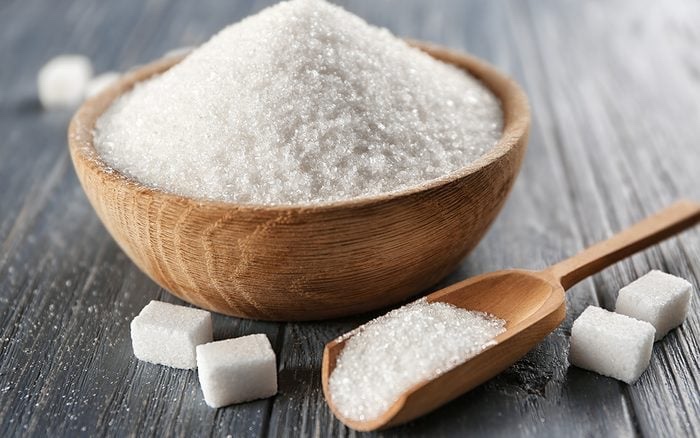
Sneaky Sugars and How To Reduce Them

Sugar is one of the most commonly consumed substances in the world. It’s found in almost everything we eat, from baked goods and candy to sauces and condiments. However, excessive sugar intake can have harmful effects on our health, including weight gain, increased risk of diabetes, and tooth decay. Therefore, it’s important to reduce or eliminate sugar intake from our diets.

Here are some tips to help you reduce or eliminate sugar intake:

  1. Read labels: Sugar can be hidden in many foods, including those that you wouldn’t expect, like bread, sauces, and yogurt. When you’re shopping for groceries, read the labels carefully and look for hidden sources of sugar like high fructose corn syrup, sucrose, glucose, and dextrose. Try to choose products that are low in added sugars or have no added sugars.
  2. Reduce your consumption of sugary drinks: Soda, fruit juice, and energy drinks are loaded with sugar and can contribute to weight gain and other health problems. Instead of sugary drinks, opt for water, unsweetened tea or coffee, or low-sugar drinks like coconut water.
  3. Use natural sweeteners: Instead of adding sugar to your food and drinks, try using natural sweeteners like honey, maple syrup, or stevia. These natural sweeteners have fewer calories than sugar and can add flavor to your meals without the added sugar.
  4. Choose whole foods: Whole foods like fruits, vegetables, and whole grains contain natural sugars that are healthier for your body than added sugars. By choosing whole foods, you’ll be able to reduce your sugar intake and get more nutrients in your diet.
  5. Avoid processed foods: Processed foods are often high in sugar and can contribute to weight gain and other health problems. Try to limit your intake of processed foods and opt for fresh, whole foods instead.
  6. Cook at home: When you cook at home, you can control the amount of sugar that goes into your meals. Try to make your meals from scratch and use natural sweeteners like honey or maple syrup when you need to sweeten a recipe.
  7. Get support: Reducing or eliminating sugar intake can be challenging, especially if you have a sweet tooth. If you’re struggling, try to get support from friends, family, or a health professional. They can help you stay on track and provide you with tips and advice.

In conclusion, reducing or eliminating sugar intake from your diet can have numerous health benefits. By following these tips and making small changes to your diet, you can reduce your sugar intake and improve your overall health and well-being. Remember, small changes can make a big difference, so start by making one change at a time and see how it feels.

Healthy Habits

Establishing healthy habits is one of the best things you can do for your overall well-being. Healthy habits help you maintain a healthy body weight, reduce the risk of chronic diseases, improve your mental health, and boost your energy levels. But forming healthy habits is not always easy. It takes time, effort, and commitment. In this blog post, we’ll explore some tips for establishing healthy habits that you can stick with.

  1. Start small

One of the biggest mistakes people make when trying to establish healthy habits is trying to do too much too soon. This can lead to burnout and frustration. Instead, start with small changes that are easy to implement. For example, if you want to start exercising, start with a 10-minute walk every day. Once that becomes a habit, gradually increase the time and intensity of your workouts.

  1. Set specific goals

Setting specific goals can help you stay motivated and focused. Instead of saying “I want to eat healthier,” set a specific goal like “I want to eat five servings of fruits and vegetables per day.” This makes your goal measurable, which can help you track your progress and stay motivated.

  1. Find a support system

Establishing healthy habits can be challenging, especially if you’re doing it alone. Finding a support system can help you stay on track. This could be a friend, family member, or even an online community or trainer. Having someone to hold you accountable and cheer you on can make all the difference.

  1. Plan ahead

Planning ahead can help you avoid making unhealthy choices. For example, if you know you’re going to be busy all day, plan your meals and snacks ahead of time so you’re not tempted to grab something unhealthy on the go. Similarly, if you want to exercise in the morning, lay out your workout clothes the night before to make it easier to get started.

  1. Be patient

Establishing healthy habits takes time. It’s important to be patient and not get discouraged if you don’t see results right away. Remember, it takes time to form a habit. Be consistent and keep working towards your goals, and you’ll start to see progress over time.

In conclusion, establishing healthy habits is key to living a healthier, happier life. Start small, set specific goals, find a support system, plan ahead, and be patient. With time and commitment, you can establish healthy habits that will stick with you for a lifetime.