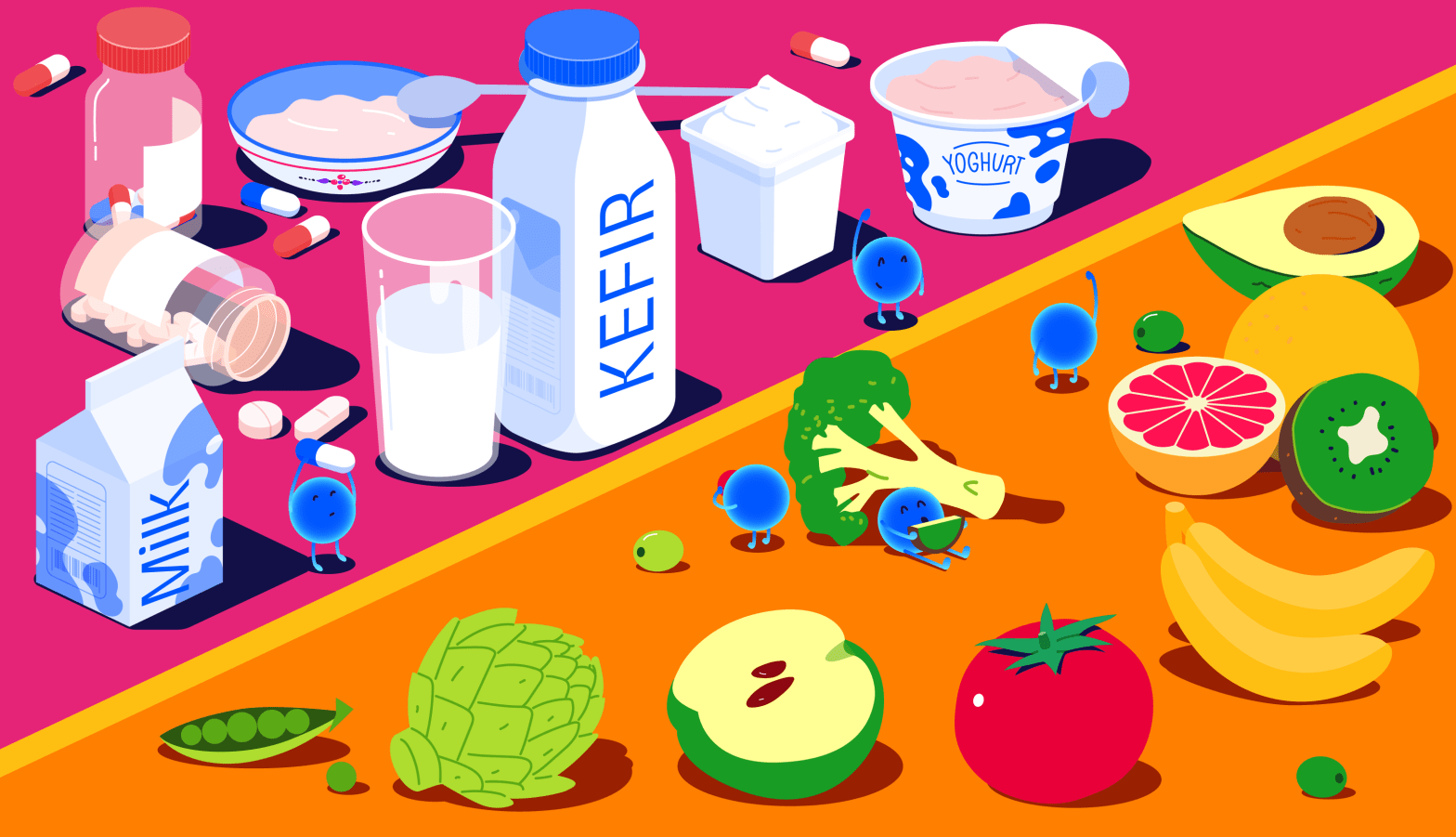
Prebiotics and probiotics are two essential components that play a significant role in maintaining our digestive and overall health. While prebiotics are non-digestible fibers that promote the growth of healthy gut bacteria, probiotics are live microorganisms that offer numerous health benefits to the body. Both prebiotics and probiotics work together in maintaining a healthy gut microbiome, which has been found to have a significant impact on mental health and overall well-being.
Prebiotics are carbohydrates that cannot be digested by the human body. They work by providing nourishment to the beneficial bacteria residing in our gut, which then ferment these fibers into short-chain fatty acids that provide energy to the cells lining the colon. These short-chain fatty acids have numerous health benefits, including reducing inflammation, improving gut motility, and enhancing immune function. Additionally, prebiotics have been found to have a positive impact on mental health, with some studies suggesting that they can reduce anxiety and depression symptoms.
Probiotics, on the other hand, are live microorganisms that can be found in various foods and supplements. They work by populating the gut with beneficial bacteria, which then work to keep harmful bacteria in check. Probiotics have been found to improve gut health, boost immune function, and reduce the incidence of several diseases, including irritable bowel syndrome (IBS) and inflammatory bowel disease (IBD). Probiotics have also been shown to have a positive impact on mental health, with some studies suggesting that they can reduce symptoms of anxiety and depression, improve mood, and enhance cognitive function.
One way that prebiotics and probiotics can benefit mental health is by reducing inflammation in the gut. Inflammation has been linked to numerous mental health conditions, including depression and anxiety. By promoting the growth of beneficial bacteria and reducing inflammation in the gut, prebiotics and probiotics may be able to alleviate some of these symptoms.
Another way that prebiotics and probiotics can benefit mental health is by modulating the gut-brain axis. The gut and the brain are connected by a complex network of neurons, hormones, and other signaling molecules. This network is known as the gut-brain axis, and it plays a significant role in regulating mood, behavior, and cognitive function. By modulating the gut-brain axis, prebiotics and probiotics may be able to improve mental health outcomes and overall well-being.
Here are some ways to improve prebiotic and probiotic intake:
- Consume more fermented foods: Fermented foods such as kefir, kimchi, sauerkraut, miso, and tempeh are rich sources of probiotics.
- Incorporate more prebiotic-rich foods into your diet: Foods such as onions, garlic, leeks, bananas, asparagus, artichokes, and whole grains are rich in prebiotic fibers.
- Take a probiotic supplement: Probiotic supplements are available in various forms, including capsules, powders, and liquids. It is essential to choose a high-quality supplement with a diverse range of bacterial strains.
- Consider a prebiotic supplement: Prebiotic supplements can help support the growth of beneficial gut bacteria.
- Eat a diverse range of plant-based foods: Plant-based foods such as fruits, vegetables, nuts, and seeds contain a wide range of nutrients and fibers that can support a healthy gut microbiome.
- Limit sugar and processed foods: A diet high in sugar and processed foods can disrupt the balance of gut bacteria and lead to inflammation and other health problems.
- Try probiotic-enriched foods: Some foods such as yogurt and certain types of milk are fortified with probiotics.
- Cook and eat at home: Cooking at home allows you to incorporate more prebiotic and probiotic-rich foods into your diet.
- Be consistent: Incorporating prebiotic and probiotic-rich foods into your diet is a long-term strategy that requires consistency and patience.
- Consult a healthcare professional: If you are experiencing digestive issues or other health problems, it is essential to consult a healthcare professional before making any significant dietary changes.
Overall, prebiotics and probiotics are essential components of a healthy diet and lifestyle. By promoting the growth of beneficial bacteria in the gut, these compounds can improve gut health, boost immune function, and reduce the incidence of numerous diseases. Additionally, prebiotics and probiotics have been found to have a positive impact on mental health, with some studies suggesting that they can reduce symptoms of anxiety and depression, improve mood, and enhance cognitive function. Incorporating prebiotic and probiotic-rich foods into your diet or taking a supplement can be an effective way to support overall health and well-being.
 Steingruby Yoga & Fitness LLC