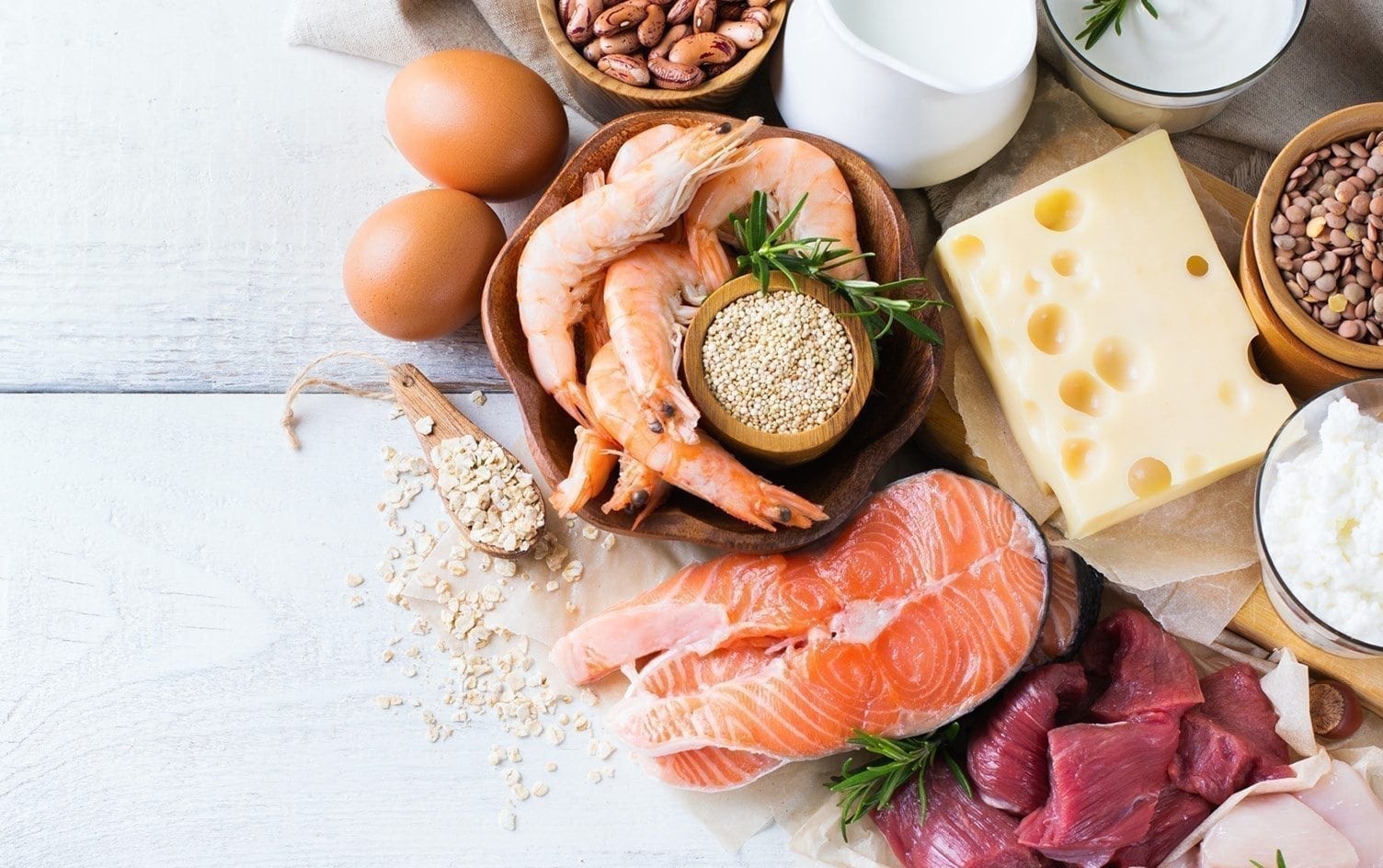
Protein is one of the essential macronutrients that our body requires for various functions. It is essential for growth and maintenance, and is responsible for building and repairing tissues, as well as producing enzymes and hormones that are vital for proper bodily function. The importance of protein consumption cannot be overstated, as it is essential for overall health and well-being.
Protein plays a crucial role in building and repairing muscles, which is important for those who engage in physical activity or exercise. When we exercise, we create small tears in our muscle fibers, and the body repairs these tears by building new muscle tissue. This process is facilitated by protein, which provides the necessary building blocks for the body to repair and grow muscles.
Protein also plays an important role in weight management. High-protein diets have been shown to be effective in reducing hunger and promoting feelings of fullness, which can help people to eat fewer calories and lose weight. Additionally, consuming protein helps to maintain lean muscle mass, which can help to increase metabolism and promote weight loss.
Protein is also important for maintaining healthy bones, as it is a major component of bone tissue. Adequate protein consumption can help to prevent bone loss and reduce the risk of osteoporosis, especially in older adults.
Furthermore, protein is essential for the proper functioning of the immune system. Proteins help to produce antibodies, which are responsible for fighting off infections and diseases. Additionally, proteins are involved in the production of white blood cells, which play a crucial role in the body’s defense against pathogens.
It is important to note that not all proteins are created equal. Animal sources of protein, such as meat, dairy, and eggs, are considered to be high-quality proteins, as they contain all of the essential amino acids that the body needs. Plant-based sources of protein, such as beans, nuts, and grains, can also be good sources of protein, but they may not contain all of the essential amino acids. Vegetarians and vegans can still meet their protein needs by consuming a variety of plant-based proteins, and by combining different sources of plant-based protein to ensure that all essential amino acids are consumed.
There are many ways to increase protein consumption, whether you are a meat-eater, vegetarian, or vegan. Here are some tips for increasing your protein intake:
- Include a protein source in every meal: Try to include a protein source in every meal, whether it’s eggs for breakfast, chicken in your salad, or beans in your soup. This will help to ensure that you are getting enough protein throughout the day.
- Choose high-quality protein sources: Animal sources of protein, such as meat, poultry, fish, and eggs, are considered high-quality proteins because they contain all of the essential amino acids that our bodies need. Plant-based sources of protein, such as beans, lentils, nuts, and seeds, can also be good sources of protein, but may not contain all of the essential amino acids.
- Snack on protein-rich foods: Snacking on protein-rich foods can help to increase your overall protein intake. Try snacking on nuts, seeds, Greek yogurt, or jerky to increase your protein consumption between meals.
- Add protein powder to smoothies: Adding protein powder to your smoothies can be an easy way to increase your protein intake. Choose a high-quality protein powder, such as whey or plant-based protein, and add it to your favorite smoothie recipe.
- Opt for protein-rich side dishes: Instead of carb-heavy side dishes, try incorporating protein-rich side dishes into your meals. Roasted chickpeas, grilled tofu, or a quinoa salad can all be delicious and nutritious side dishes that are high in protein.
- Experiment with new recipes: Trying out new recipes that are high in protein can help to keep your meals interesting and varied. Look for recipes that include protein-rich ingredients, such as beans, lentils, tofu, or fish.
- Choose protein-rich snacks: When choosing snacks, opt for protein-rich options such as hard-boiled eggs, string cheese, or hummus with veggies.
- Make protein a priority when eating out: When eating out, look for dishes that are high in protein, such as grilled chicken or fish. You can also ask for extra protein to be added to your meal, such as a side of beans or a boiled egg.
In conclusion, protein is an essential nutrient that plays a vital role in maintaining overall health and well-being. Adequate protein consumption is important for building and repairing muscles, maintaining healthy bones, promoting weight loss, and supporting the immune system. It is important to consume high-quality sources of protein, and to ensure that all essential amino acids are consumed, especially for vegetarians and vegans. By making protein a priority in our diets, we can support our bodies in their many functions and promote optimal health.
 Steingruby Yoga & Fitness LLC